
All colleges DERAYA ACADEMY

Faculty of Architecture and Urban Planning Ghadames, Libya

Design places for people.

Explore twelve directions across buildings, cities, interiors, landscapes, heritage, technology, and development.

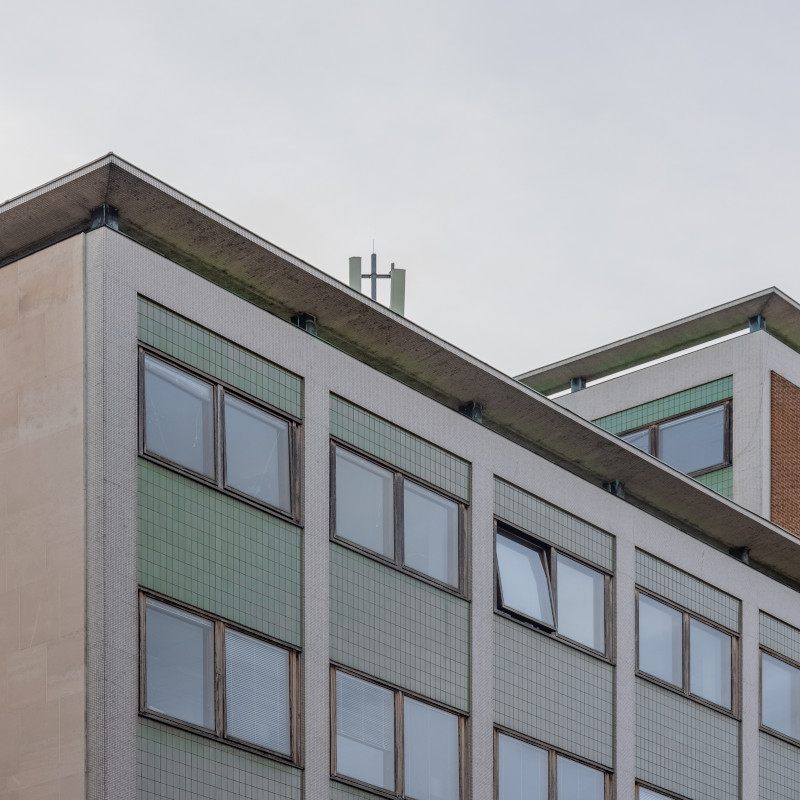
Contemporary academic building facade
12 design directions
12 study areasBuildings, cities, and public space
Creative + technicalDesign connected with real systems
Multiple scalesFrom interiors to urban regions

Find your direction

Explore study areas

Search specialties, design topics, or career paths to discover the directions connected to each area.

12 study areas

Study area 01

Architectural Design

The core design specialization. Shape homes, commercial buildings, schools, hospitals, cultural spaces, and larger developments by balancing creativity with function, structure, materials, environment, and regulations.

Areas to explore

  • Building design
  • Design studios
  • Materials and structure
  • Environmental conditions
  • Building regulations

Typical career paths

  • Architect
  • Architectural designer
  • Design consultant
  • Design-office specialist

Study area 02

Architecture and Urban Design

Connect individual buildings with surrounding streets, public spaces, neighborhoods, and cities, working across scales from urban planning to building details.

Areas to explore

  • Architectural design
  • Urban design
  • Planning
  • Infrastructure
  • Traffic and mobility
  • Social and ecological context

Typical career paths

  • Architect
  • Urban designer
  • Master-planning consultant
  • Development consultant

Study area 03

Urban Planning

Organize cities and communities through decisions about land use, transportation, housing, infrastructure, public services, population growth, and environmental development.

Areas to explore

  • New cities
  • Residential districts
  • Transportation corridors
  • Public spaces
  • Industrial and commercial areas
  • Tourism developments
  • Informal-area upgrades
  • Smart-city infrastructure

Typical career paths

  • Urban planner
  • City-development consultant
  • Planning researcher
  • Government planning specialist

Study area 04

Building Technology and Construction

Understand how construction methods, materials, structures, building physics, and technical installations come together in coordinated building systems.

Areas to explore

  • Construction methods
  • Building materials
  • Structural systems
  • Building physics
  • Technical installations
  • Architectural and engineering coordination

Typical career paths

  • Building-technology consultant
  • Technical architect
  • Construction coordinator
  • BIM specialist

Study area 05

Sustainable and Green Architecture

Reduce energy use and environmental impact through passive design, renewable energy, climate-responsive buildings, water efficiency, sustainable materials, and green-building standards.

Areas to explore

  • Solar orientation and shading
  • Natural ventilation
  • Daylighting
  • Energy-efficient building envelopes
  • Solar-energy systems
  • Water conservation
  • Sustainable materials
  • Green-building assessment

Typical career paths

  • Sustainable-design consultant
  • Green-building specialist
  • Environmental architect
  • Energy-efficiency consultant

Study area 06

Computational and Digital Design

Use digital tools and computational methods to explore, model, fabricate, and communicate architectural ideas.

Areas to explore

  • Computer-aided design
  • Parametric modeling
  • Digital fabrication
  • Generative design
  • Virtual reality
  • Advanced visualization

Typical career paths

  • Computational designer
  • Digital architect
  • BIM modeler
  • 3D visualization specialist

Study area 07

Architectural Heritage and Conservation

Study historic buildings and traditional architecture, documenting and conserving urban heritage while adapting older places for continued use.

Areas to explore

  • Historic buildings
  • Traditional architecture
  • Urban heritage
  • Conservation methods
  • Restoration
  • Documentation
  • Adaptive reuse

Typical career paths

  • Heritage architect
  • Conservation consultant
  • Restoration specialist
  • Cultural-site planner

Study area 08

Interior Architecture and Spatial Design

Design interior spaces by considering circulation, furniture, lighting, materials, finishes, human comfort, and the relationship to the building structure.

Areas to explore

  • Interior spaces
  • Circulation
  • Furniture
  • Lighting
  • Materials and finishes
  • Human comfort
  • Building relationships

Typical career paths

  • Interior architect
  • Spatial designer
  • Workplace designer
  • Exhibition designer

Study area 09

Landscape Architecture and Public Space Design

Shape outdoor environments such as parks, gardens, streetscapes, waterfronts, campuses, and plazas through planting, environmental design, water management, and public use.

Areas to explore

  • Parks and gardens
  • Streetscapes
  • Waterfronts
  • Campuses and plazas
  • Planting
  • Environmental design
  • Water management
  • Public movement and use

Typical career paths

  • Landscape designer
  • Public-space consultant
  • Environmental planner
  • Site designer

Study area 10

Housing and Community Design

Consider homes within their wider neighborhoods, including affordability, social needs, housing developments, and access to community facilities.

Areas to explore

  • Residential buildings
  • Housing developments
  • Neighborhood planning
  • Affordability
  • Social needs
  • Community facilities

Typical career paths

  • Housing designer
  • Community-development planner
  • Real-estate design consultant

Study area 11

Project and Construction Management

Coordinate multidisciplinary construction projects through scheduling, cost control, contracts, procurement, risk management, site coordination, and quality control.

Areas to explore

  • Project scheduling
  • Cost control
  • Contracts and procurement
  • Risk management
  • Site coordination
  • Quality control
  • Team management

Typical career paths

  • Project coordinator
  • Construction manager
  • Architectural project manager
  • Developer representative

Study area 12

Real Estate and Development Design

Connect architecture with feasibility, market needs, development regulations, investment decisions, and the design of large residential or commercial projects.

Areas to explore

  • Real-estate feasibility
  • Market needs
  • Development regulations
  • Investment decisions
  • Large residential and commercial projects

Typical career paths

  • Real-estate development consultant
  • Design manager
  • Property-development specialist